 العربية
 English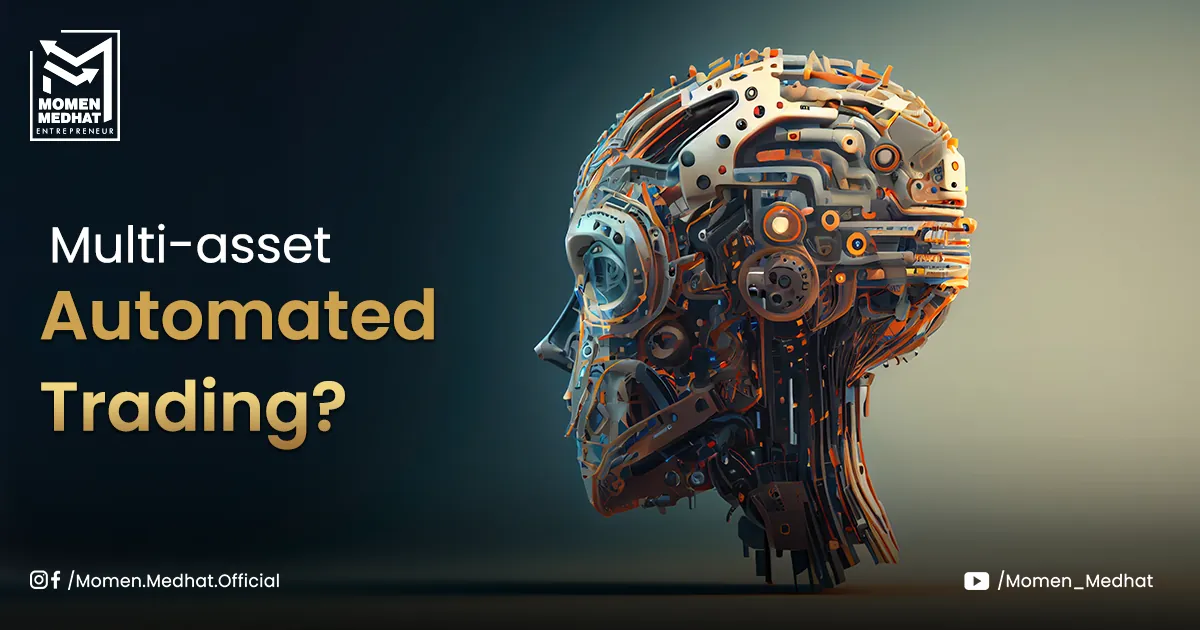
Automated Multi-Asset Trading: A Step Towards Smart Investment Diversification
With the advancement of technology and the broader integration of artificial intelligence in trading, automated multi-asset trading has become one of the most exciting trends in the investment world. This type of trading allows for the implementation of advanced strategies covering stocks, currencies, and commodities, providing investors with an opportunity to diversify their investment portfolios and significantly reduce risks.
In this article, we will discuss how to design automated multi-asset trading systems that effectively operate across different financial markets. We will also explore the benefits of diversification in reducing risks and increasing returns, while highlighting the challenges investors may face in this context.
What is Automated Multi-Asset Trading?
Automated multi-asset trading refers to the use of intelligent trading systems capable of executing trades in multiple financial markets, such as:
- Stock markets, including trading major company stocks.
- The foreign exchange (Forex) market.
- Commodity markets like gold and oil.
- Cryptocurrency markets such as Bitcoin and Ethereum.
The core idea is to build a trading system that can adapt to different market conditions and achieve investment diversification, reducing reliance on a single market.
How Does This System Work?
Automated multi-asset trading relies on intelligent algorithms that analyze data from different markets.
- Trading decisions are made based on predictive strategies and market signals.
- The systems operate without direct human intervention, allowing for timely and efficient trade executions.
Benefits of Automated Multi-Asset Trading
- Risk Reduction
Investing in diversified assets reduces the negative impact of any losses in one market. For example, if stock values drop, that loss may be offset by rising commodity or currency prices. - Increased Returns
Diversifying investments increases the likelihood of positive returns, as opportunities in different markets are capitalized upon. - Adaptation to Market Changes
The system can adapt to market changes thanks to the real-time analysis provided by the algorithms. For instance, if the stock market is experiencing a downturn, investments can be shifted to commodities or currencies. - Time Management and Efficiency
With automated systems, investors can manage their portfolios without the need to monitor the markets daily, which reduces mental stress and saves time.
How to Design Automated Multi-Asset Trading Systems
- Selecting Financial Markets
The first step in designing a multi-asset trading system is to determine the markets you wish to invest in. Markets should be chosen based on:- Liquidity: High liquidity markets facilitate easy entry and exit from trades.
- Volatility: Markets with high volatility offer opportunities for profit.
- Asset Correlation: Choosing uncorrelated assets reduces risks.
- Building Advanced Algorithms
- Data Analysis: The algorithms must be capable of analyzing large amounts of data quickly, including price data, volumes, and economic indicators.
- Adaptation to Markets: The systems must be flexible enough to adapt to changing conditions in different markets.
- Simulation Testing: Intensive testing on historical data ensures the system’s effectiveness across various markets.
- Using Advanced Trading Platforms
Platforms like MetaTrader and NinjaTrader provide integrated tools to create and execute multi-asset trading systems. These platforms must be capable of handling multiple markets and data at the same time. - Integrating Artificial Intelligence and Machine Learning
Artificial intelligence and machine learning help enhance trading decisions by analyzing patterns and anticipating market movements. Algorithms can learn new strategies over time and improve performance based on past data. - Risk Management
- Setting loss limits for each market and asset.
- Using tools like Stop Loss and Take Profit.
- Monitoring the system’s performance periodically to ensure it aligns with the overall strategy.
Challenges of Automated Multi-Asset Trading
- Market Complexity
Handling multiple markets simultaneously increases system complexity and requires more advanced algorithms. - Costs Associated with Systems
Creating an automated multi-asset system requires significant investment in software and infrastructure. - High Volatility
Sometimes, large fluctuations in the markets can lead to unexpected losses, especially if the algorithms are not equipped to handle such conditions. - Technical Issues
System failures, weak internet connectivity, or programming errors can lead to significant losses.
Practical Examples of Automated Multi-Asset Trading Systems
- Automated ETFs (Exchange-Traded Funds)
There are various investment funds that use automated multi-asset systems to manage investment portfolios and achieve diversification. - Smart Trading Bots
Many financial firms use intelligent trading bots that manage investments in stocks, currencies, and commodities simultaneously. - Major Trading Companies
Companies like Bloomberg and JPMorgan heavily rely on multi-asset trading systems to achieve sustainable returns.
Conclusion
In conclusion, automated multi-asset trading represents a step towards smart investment diversification, allowing for simultaneous operation across various financial markets, reducing risks, and increasing returns. Despite the challenges involved in designing and operating these systems, their benefits make them an attractive option for investors looking to enhance their portfolios.
To succeed in this field, investors and investment firms must use advanced tools and technologies, as well as apply carefully considered strategies for risk management. With continuous technological advancements, automated multi-asset trading is expected to become a central component of the future of investment.
You can learn more about the basics of automated trading for beginners interactively by visiting the following link here.
For more content, you can visit the link and learn more about advanced automated trading basics.