 العربية
 English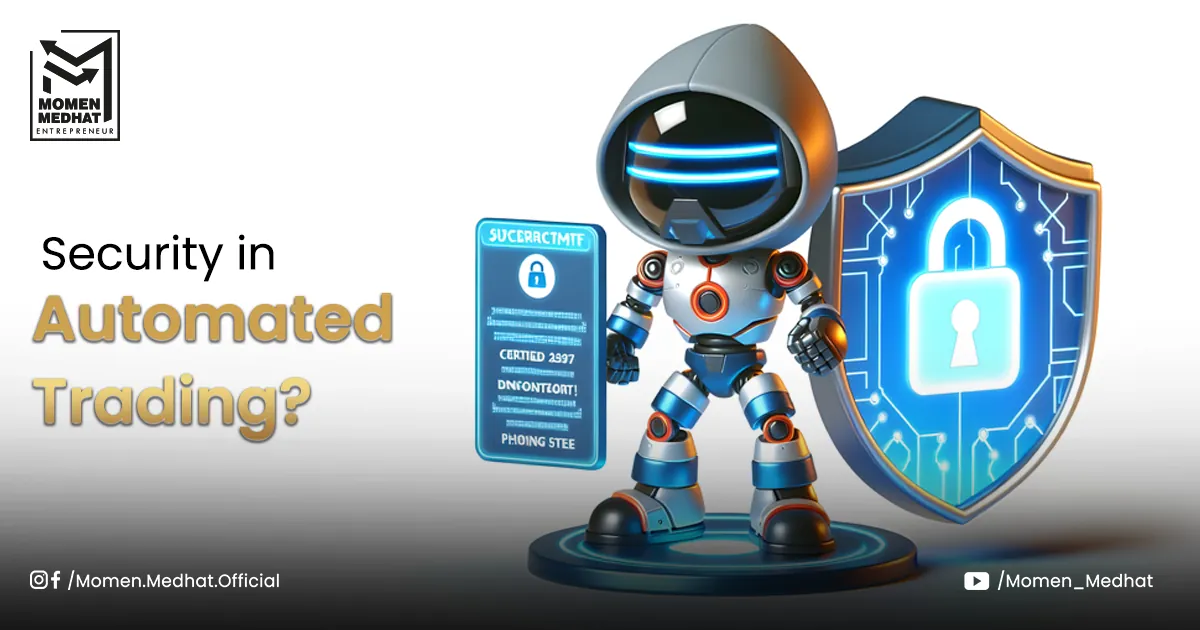
Automated Trading Security: How to Protect Your Strategy from Cyberattacks
Cyberattacks are one of the biggest risks facing automated trading systems today. With the increasing reliance on technology and automated systems in financial markets, these systems have become vulnerable to various threats that can lead to significant financial losses. Whether the trader is an individual or a financial institution, protecting automated trading strategies from cyberattacks is crucial for ensuring the continuity of business operations and achieving profits.
In this article, we will discuss how to protect automated trading systems from cyberattacks. We will cover the importance of digital security in trading, as well as the methods and techniques that can be used to safeguard systems and strategies from these threats.
The Importance of Security in Automated Trading
One of the biggest benefits of automated trading is its ability to execute complex strategies and transactions quickly and accurately. However, with the increasing reliance on these systems, cyberattacks on trading systems have grown significantly. Automated systems are prime targets for attacks due to the volume of transactions and the amount of money they manage, making them an ideal target for hackers.
Cyber threats can include:
- Cyberattacks: targeting trading systems to steal funds or alter trading strategies.
- Malware: such as viruses that can infiltrate systems, steal data, or disrupt operations.
- Phishing: aimed at stealing personal information or bank account data.
Therefore, securing automated trading systems is vital to ensure the continuity of business operations and protect profits.
Security Tools and Techniques to Protect Trading Systems
To protect trading systems from cyberattacks, a range of tools and techniques must be used to enhance security. Some of these tools and techniques include:
- Encryption
Encryption is a fundamental tool for protecting data transmitted between trading platforms and servers. Data can be encrypted using strong protocols like TLS (Transport Layer Security), which protects the data while being transmitted over the internet. By using encryption, information exchanged between servers becomes secure from eavesdropping or theft. - Multi-Factor Authentication (MFA)
Multi-factor authentication is an effective security measure that prevents unauthorized access to systems. By enabling MFA, security can be enhanced so that accessing trading accounts or automated systems requires more than just a password. This may include using a verification code sent to a mobile device or a fingerprint to confirm identity. - Activity Monitoring
Monitoring system activity helps to detect unusual or suspicious actions. By using activity monitoring software, attempts at hacking or unauthorized changes to the systems can be identified quickly. These systems allow the tracking of unusual transactions or unusual movements in automated strategies that might indicate a cyberattack. - Firewalls
Firewalls are essential tools for protecting networks from unauthorized access. These firewalls examine incoming and outgoing data, allowing systems to detect and filter out threats before they can access critical data or systems. By using the right firewalls, many attack attempts targeting trading systems can be prevented. - Regular Security Updates
Regular updates are crucial for maintaining system security. One of the biggest security vulnerabilities in many trading systems is the use of outdated software versions that contain vulnerabilities hackers can exploit. Ensure that all trading systems are updated periodically to include the latest security patches.
Defensive Strategies Against Cyberattacks
To protect automated trading systems from cyberattacks, traders and financial institutions should adopt integrated defensive strategies that include:
- Continuous Security Assessment
Traders should continuously assess the security level, analyzing gaps or vulnerabilities in the systems used. This can be done by conducting penetration testing to simulate cyberattacks and discover potential weaknesses in the system. - Rapid Response to Attacks
It is essential that traders or financial institutions have a plan for quickly responding to a cyberattack. This involves having a dedicated security team that can act swiftly to identify the source of the attack, isolate the affected systems, and restore the system to normal operation. - Education and Training
Companies and institutions involved in automated trading should train their employees to understand security risks and how to handle sensitive data and information securely. This includes training on how to recognize phishing emails, using strong passwords, and managing authorized access to systems.
Challenges in Securing Automated Trading Systems
Although security technologies for automated trading systems have significantly improved, there are ongoing challenges that need to be addressed:
- Increasing Complexity of Cyberattacks: Cyberattacks have become more sophisticated and complex, making them difficult to predict or defend against.
- Internal Threats: Threats are not limited to external attacks; they can also come from within the organization. Therefore, it is necessary to ensure that all system users have permission to access only the information they need.
Real-World Examples
Some real-world examples illustrate the impact of cyberattacks on automated trading systems. In 2017, trading systems at the New Zealand Stock Exchange were hit by several cyberattacks that caused the platform to be disrupted for an extended period. Despite having strong security systems in place, the attacks targeted weaknesses in the rapid execution processes. As a result, many financial institutions learned that cybersecurity should be a fundamental part of automated trading strategies.
Cyberattacks remain one of the most significant challenges faced by automated trading systems. To ensure the security of strategies and business continuity, proactive measures must be taken to protect systems. This includes implementing modern security technologies such as encryption, multi-factor authentication, activity monitoring, and regular updates. Financial institutions must also have rapid response plans and provide continuous education to traders to mitigate risks and protect investments.
You can learn more about the basics of automated trading for beginners step by step interactively through here
For more content, you can visit the link to learn more about advanced automated trading basics