 العربية
 English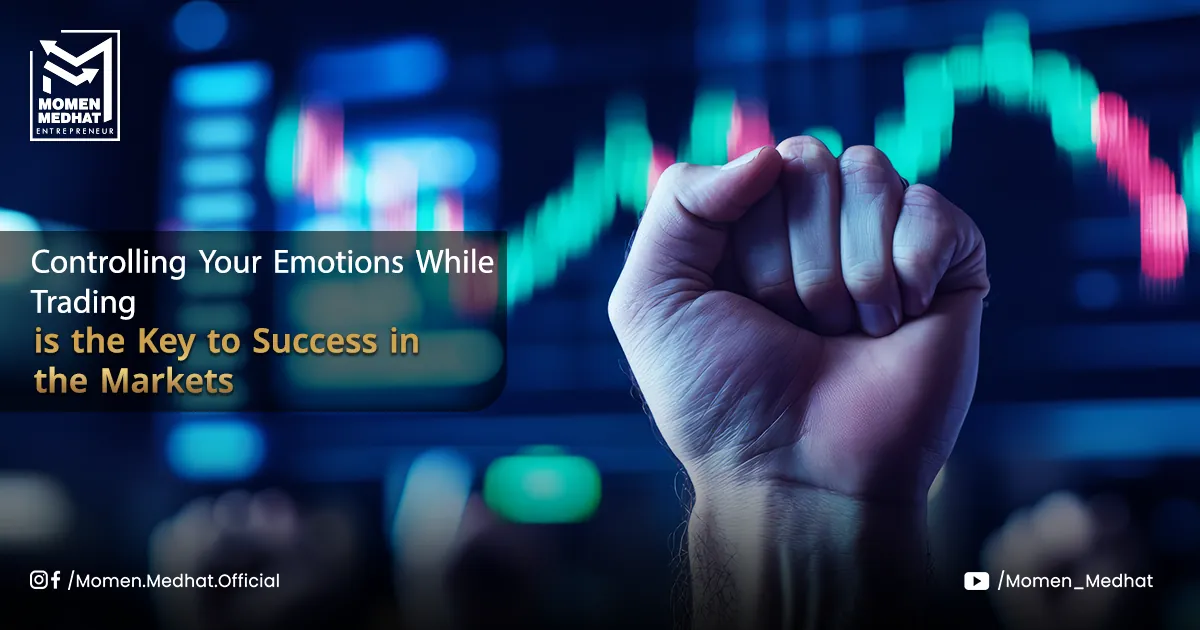
Controlling Your Emotions While Trading is the Key to Success in the Markets
If you’re looking for the secret that distinguishes successful traders from others, let me tell you that this secret isn’t just in technical or fundamental analysis. The truth is, it lies in controlling your emotions while trading! Keep in mind that the markets aren’t just numbers and charts — they’re full of emotions and psychological influences that can make you take life-changing decisions in seconds.
In this article, we’ll talk about trading psychology and how to control your emotions in order to become a successful trader. So let’s dive in!
What is Trading Psychology?
Trading psychology refers to the mental state that affects traders’ decisions while they are in the market. Emotions like fear, greed, stress, and frustration are what can influence your decisions — whether they lead to profit or loss.
Whether you’re a beginner or a professional trader, you’ve definitely experienced moments when you doubted your plan or suddenly rushed into a market move. This is where psychological control comes into play.
The Main Emotions That Affect You as a Trader
Fear:
This is the number one enemy of any trader. Fear can make you hesitate to enter a trade even if it’s a strong opportunity, or exit a trade too early out of fear of loss.
Greed:
When the market moves in your favor, greed might push you to stay in the trade longer than necessary, forgetting that markets are always changing. You have to learn to say, “That’s enough!”
Hope and Frustration:
Hope can sometimes be a positive motivator, but if you rely on it alone in a losing trade, it can turn a small loss into a big one. That’s when frustration hits, when you feel like “I just can’t win.”
How to Control Your Emotions While Trading
Set a Trading Plan and Stick to It:
The first step to controlling your emotions is to have a clear plan for each trade. Define your entry point, stop loss, and targets before you begin. Once you start, stick to the plan.
Accept Losses as Part of the Game:
No trader wins all the time. Losses are a natural part of trading. The idea isn’t that you lose, but that you learn from the loss so you don’t repeat it.
Use Capital Management Wisely:
When you enter trades with sizes that suit your account, this reduces stress and helps you make more rational decisions. If the trade size is too large, the psychological pressure increases and your emotions get affected.
Take Breaks While Trading:
If you feel stressed or unable to concentrate, take a short break. Sometimes stepping away helps you regroup and avoid emotional decisions.
Keep Notes After Every Trade:
Keep a journal of your trades. Write down why you entered the trade, your feelings during the trade, and the outcome. This will help you identify your mistakes and better understand your emotions.
Practical Examples of Overcoming Emotions
Fear of Entering a Trade:
If you see a strong opportunity but feel afraid, think about the worst-case scenario. If the stop loss is reasonable for your capital, try entering the trade and consider it a learning experience.
Greed for More Profit:
If the trade hits your target, stick to your plan. Don’t let the thought of “If I’d waited a bit longer, I could’ve made more” control you — there are always new opportunities in the markets.
In Conclusion…
Trading psychology is one of the most important factors that determine your success as a trader. Controlling your emotions and avoiding emotional decisions can be the difference between success and failure. Always remember: trading isn’t just about analyzing charts, it’s also a psychological test that you need to approach with rationality.