 العربية
 English
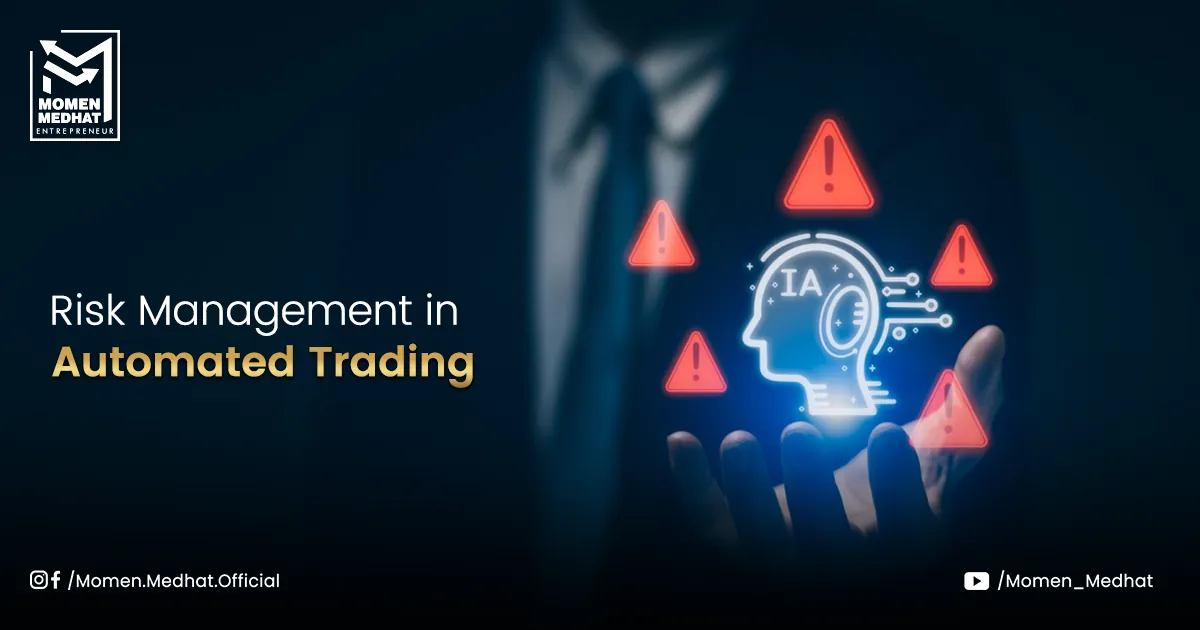
Risk Management in Automated Trading: How to Protect Your Capital and Ensure Sustainable Success
Welcome to a new article! Today, we’re diving into a crucial topic in the trading world, especially if you’re using automated trading systems. Risk management in automated trading isn’t something you can overlook; it’s a cornerstone of your success and longevity in the market. In this article, we’ll explore the most important strategies for risk management in automated trading and how you can use the available tools to protect your capital and increase your chances of success.
What is Risk Management in Automated Trading?
Risk management is a set of tools and techniques that help traders minimize potential losses and maximize profit opportunities. In automated trading, this is achieved through pre-programmed algorithms that follow fixed rules to mitigate risks. When you use automated trading, the system operates on your behalf, applying strategies such as stop-loss orders or setting acceptable risk thresholds for each trade. This ensures that your capital is protected and your risks are managed more effectively.
Risk management isn’t just a tool to limit losses; it’s a comprehensive strategy designed to achieve sustainable profits. It’s an integral part of any successful trading plan, whether using manual or automated tools. For automated trading, the advantage lies in reducing human involvement in decision-making, thereby minimizing human errors that could lead to losses.
The Importance of Risk Management in Automated Trading
Risk management is not optional; it’s a fundamental component of a successful trading strategy. To adapt to market fluctuations and achieve sustainable profits, you must apply proper risk management. Here’s why it’s so crucial in automated trading:
- Minimizing Significant Losses:
While automated systems rely on algorithms, the market can be full of unexpected fluctuations. Without effective risk management, you could face significant losses suddenly. - Achieving Stable Profits:
You won’t win the same amount every day, but with proper risk management, you can achieve consistent and balanced profits over the long term. - Reducing Psychological Pressure:
Traders often experience stress from making real-time decisions in the market. With automated trading systems, decisions are made based on fixed rules, alleviating the psychological burden on you.
By applying pre-programmed rules, automated tools help you make decisions based on well-prepared strategies without being influenced by emotions or feelings—a critical factor in the trading world.
Risk Management Techniques in Automated Trading
Here are some key techniques to help you protect your capital:
- Position Sizing:
Determine the size of your trades in advance to match your capital. For instance, if you have $10,000, you might set a rule not to risk more than 2% of your capital on any trade. The algorithm will automatically adjust the trade size according to this percentage, protecting your capital from significant risks. - Using Stop-Loss Orders:
A stop-loss order closes a trade automatically when a specified loss level is reached. For example, if you buy a currency pair at 1.3000, you can set a stop-loss at 1.2950. When the price hits this level, the algorithm closes the trade, minimizing your loss. - Implementing Hedging Strategies:
Hedging involves opening an opposing trade to reduce risk. For example, if you’re in a buy position, you could open a sell position simultaneously. Automated systems can identify the right moments to execute such trades based on market conditions. - Setting Take-Profit Orders:
Similar to stop-loss orders, take-profit orders close trades automatically when a profit target is reached. For instance, if your target is 1.3100, the system will close the trade when this level is achieved, locking in your profits. - Managing Market Volatility:
Financial markets are constantly changing, often experiencing high volatility. Automated trading systems can monitor the market in real time and adjust decisions accordingly, such as reducing trade sizes or pausing trading during highly volatile periods.
Common Mistakes in Risk Management
Even with its importance, some traders make mistakes when applying risk management. Here are a few to avoid:
- Overly Reducing Risk:
Some traders think minimizing risk to an extreme is the best solution, but this can harm the overall strategy. - Incorrect Stop-Loss Settings:
Placing stop-loss orders too far or too close can lead to poor results. You need to set them carefully and choose the right points. - Neglecting Trading Costs:
Failing to account for costs like commissions or spreads can significantly impact your strategy.
Improving Risk Management Strategies
Here are steps to refine your risk management strategies:
- Analyze Performance:
Regularly review your trades’ performance. If the profit-to-risk ratio is unbalanced, adjust your strategy. - Review Stop-Loss Levels:
Periodically check stop-loss levels to ensure they align with current market conditions. - Focus on Long-Term Strategies:
While automated trading encourages quick decisions, prioritize building long-term strategies.
In conclusion, risk management in automated trading is not just a step you can skip; it’s a cornerstone of achieving sustainable success in the market. By selecting the right strategies, using appropriate tools, and continuously reviewing your performance, you can protect your capital and achieve your trading goals.
Follow our automated trading learning series on YouTube via this link:
YouTube Playlist